Tiny Playtime

big play ideas for little people

Tiny Playtime

Creating a Playroom that Embraces the Montessori Approach at Home

At Tiny Playtime, we believe every child deserves a space that encourages exploration, creativity, and learning, no matter the size of the room or budget. We understand that creating a picture-perfect, Instagram-worthy playroom isn’t always realistic—especially when living in smaller homes and managing the high cost of living. That’s why we’re here to help you design a Montessori-inspired play area with simple, affordable ideas. Whether you have a tiny corner or an entire room to work with, Tiny Playtime supports you in creating a space that fosters creativity, independence, and most importantly, fun for your littlest loves.

Playroom Ideas and Activities

Play room ideas

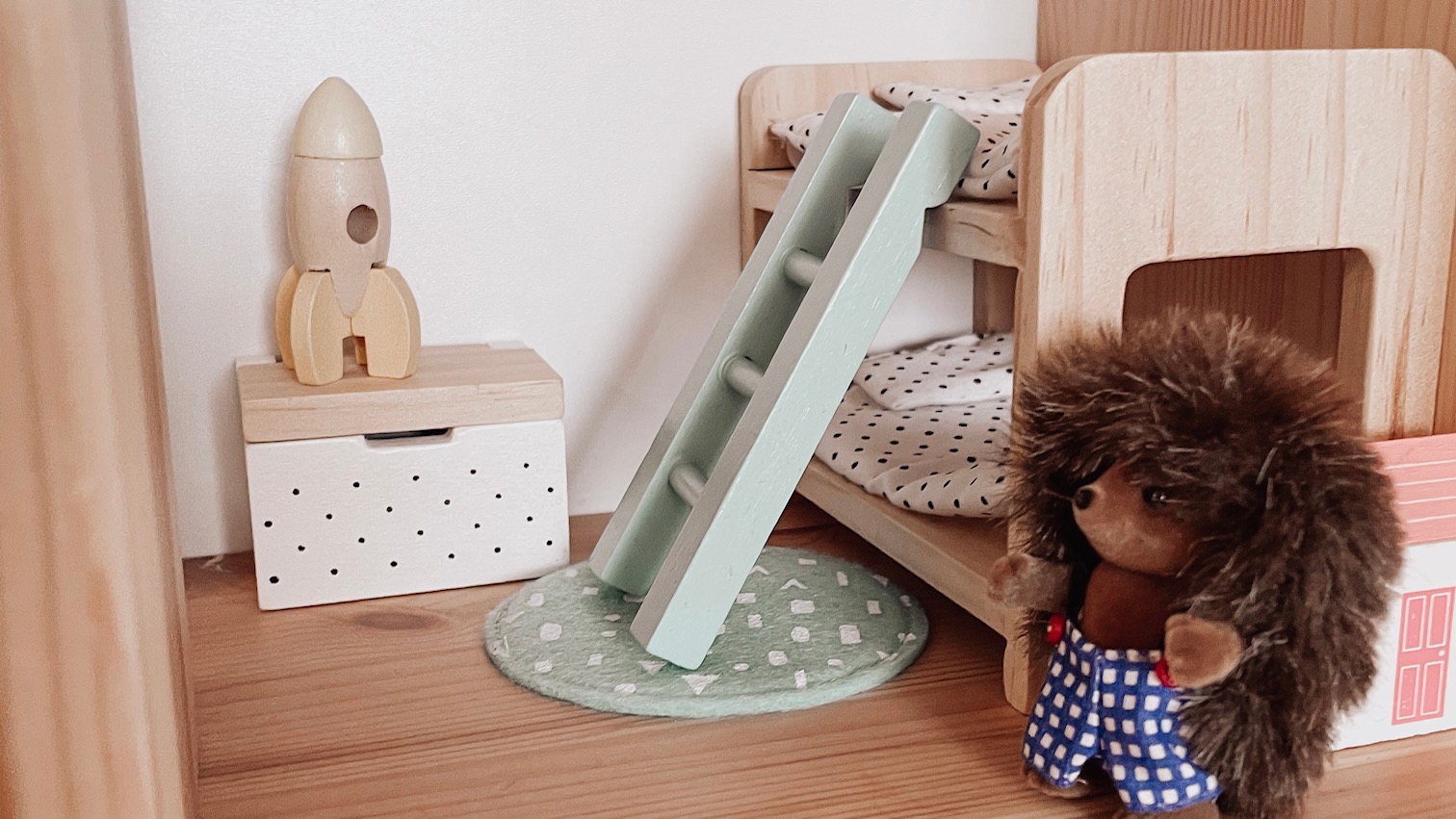
Playroom ideas your little ones will love. How to create an inviting, well organised playroom or play space for your little ones, including where to purchase all the bits and pieces you need.
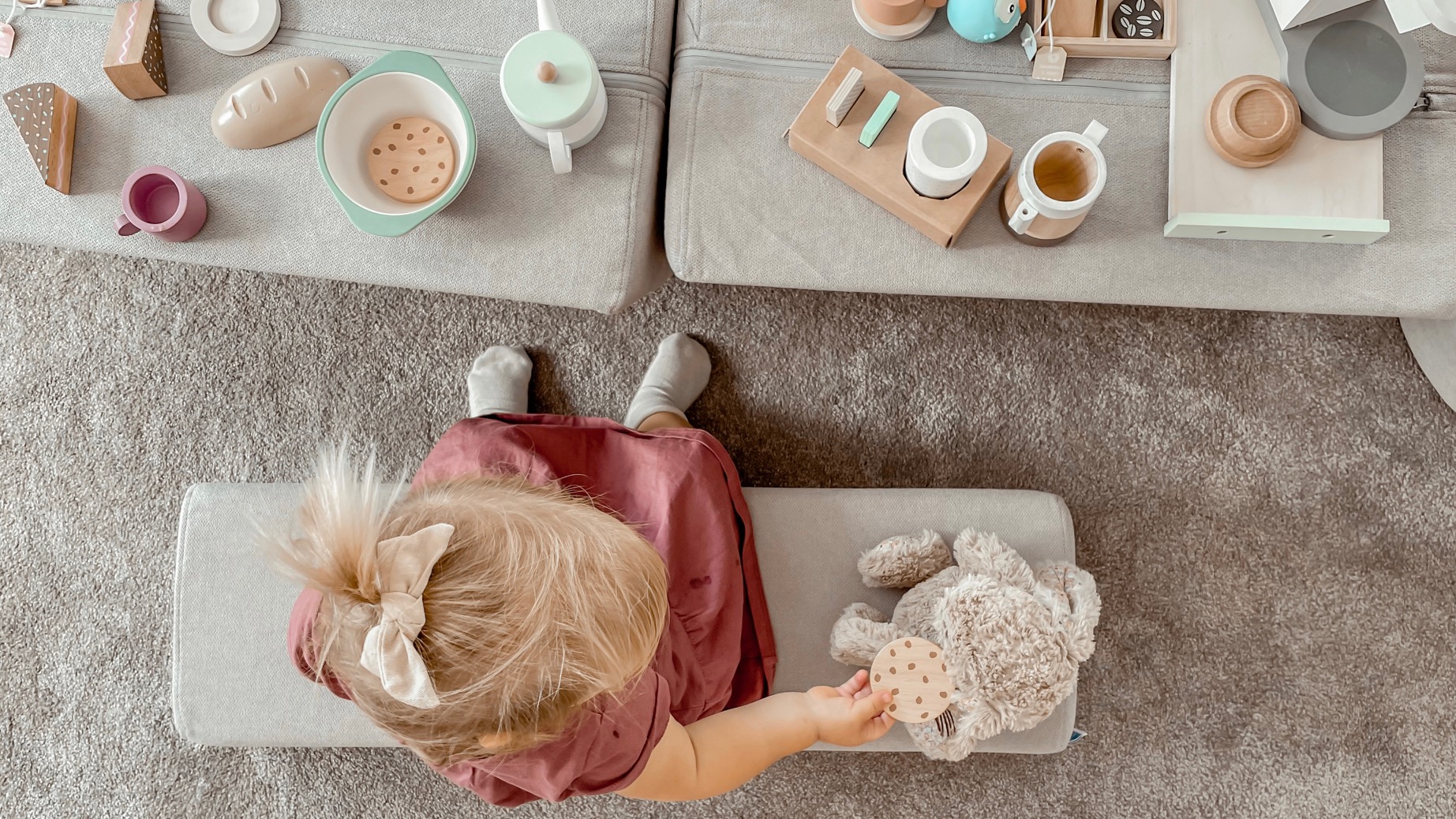
Montessori Learning

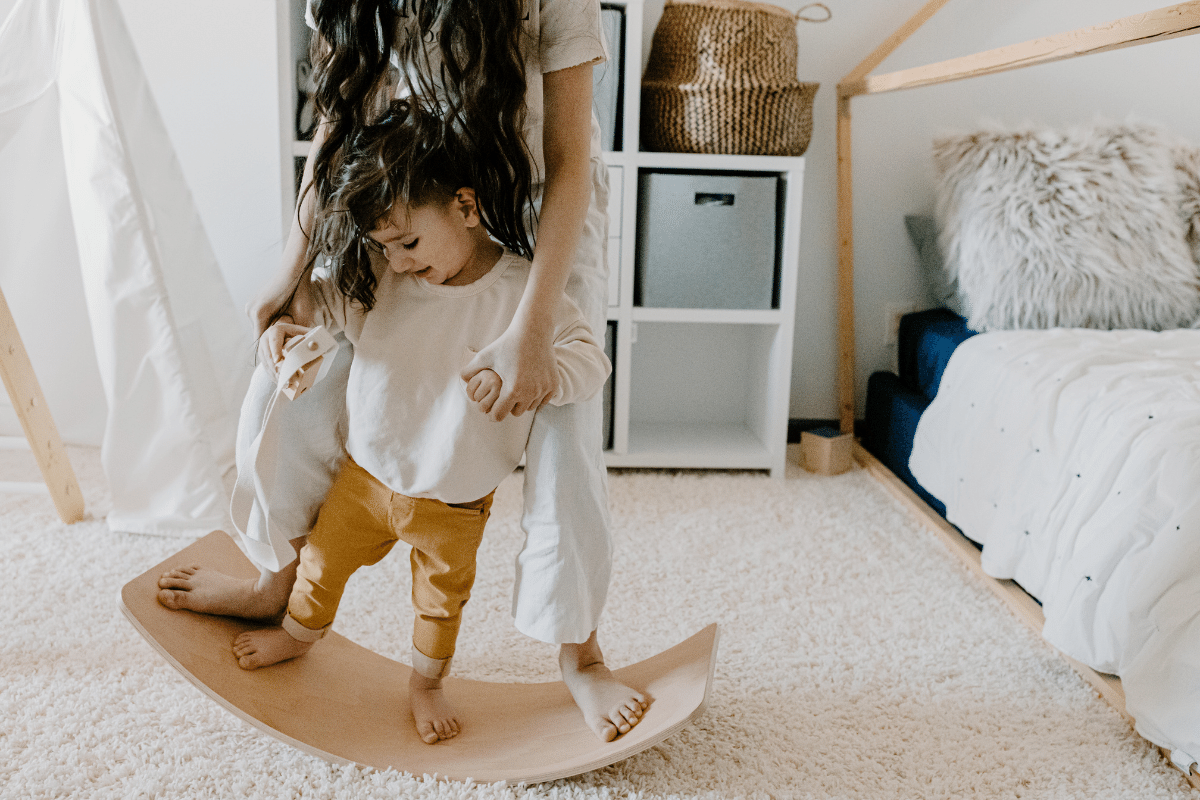
Helping you create an environment and provide activities that will nurture and develop your child's independence, creativity and concentration.

Sensory Play

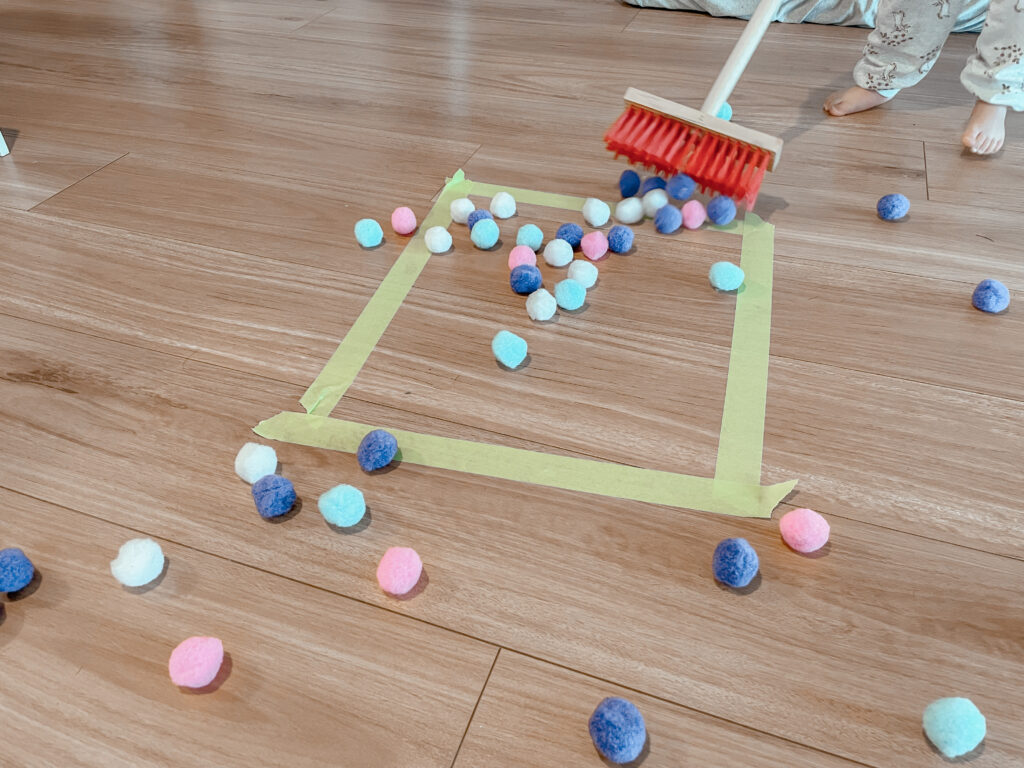
Easy and affordable sensory play ideas. Must haves for sensory play, including the Ikea sensory table and the many ways your toddler can enjoy hours on end with simple engaging activities

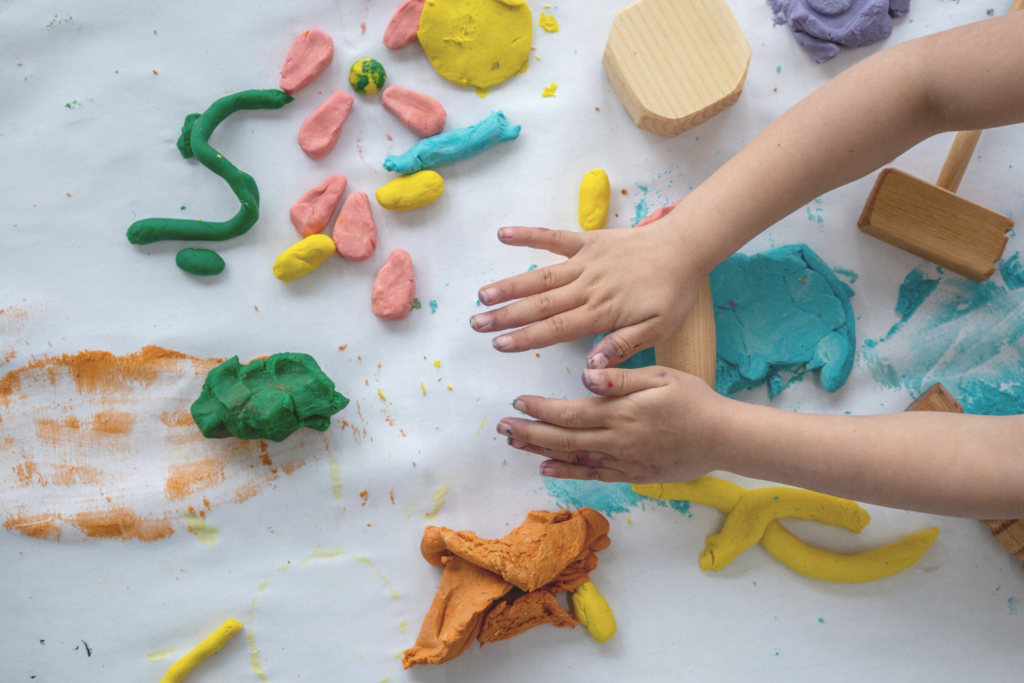
What is the Montessori Method?

The Montessori method is a child-centred approach to learning, focused on fostering independence, self-motivation, and a love for learning. It encourages hands-on activities and allows children to explore at their own pace.

Understanding the Principles of the Montessori Method

Montessori principles emphasise respect for the child, freedom within limits, and learning through exploration. Children are given the tools to take charge of their own learning in a prepared environment where they can thrive.

How Maria Montessori Developed Her Educational Philosophy

The Montessori method is a child-centred approach to learning, focused on fostering independence, self-motivation, and a love for learning. It encourages hands-on activities and allows children to explore at their own pace.

Key Components of Montessori Education

Some key components of Montessori education include hands-on learning materials, a calm and organised environment, and a focus on developing independence, concentration, and problem-solving skills.

How to Create a Montessori Playroom?

Designing a Prepared Environment for Learning

You don’t need a large space to create a Montessori-inspired playroom! Organise the room with shelves or baskets at your child’s level, so they can easily access their toys and materials. The key is to cultivate an environment that encourages self-directed learning, where your child feels empowered to choose what they want to explore. Keep things simple, using natural materials that align with Montessori theory, so your child can focus on learning rather than being distracted by excess. This holistic approach helps them develop independence and a deeper connection with their surroundings.
Age-Appropriate Montessori Play Activities

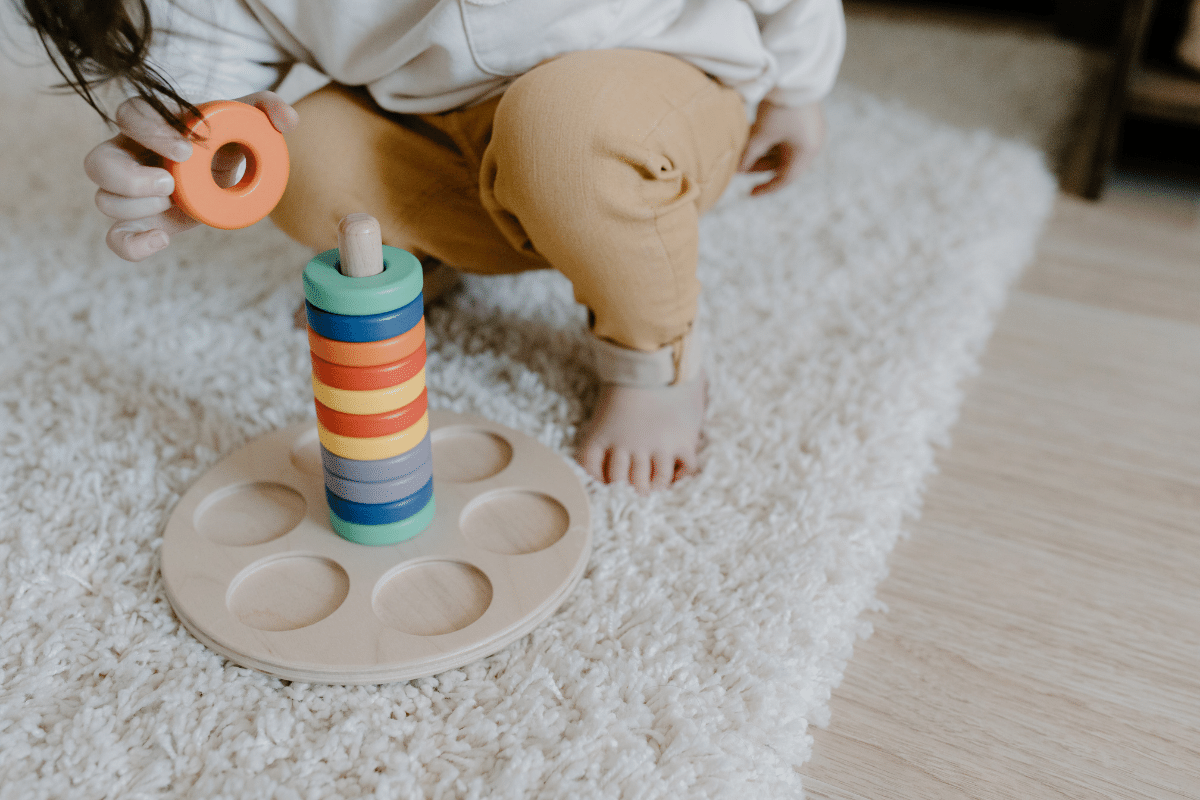
At different ages, your child will benefit from different activities. For younger children, things like stacking blocks, pouring water, or sorting objects by colour work well. As they grow, more complex activities like matching shapes, building with blocks, or learning to care for plants are great choices. These activities are designed to foster your child’s natural curiosity and self-directed learning, helping them develop important skills as they explore at their own pace.
Incorporating Hands-On Learning in Your Playroom

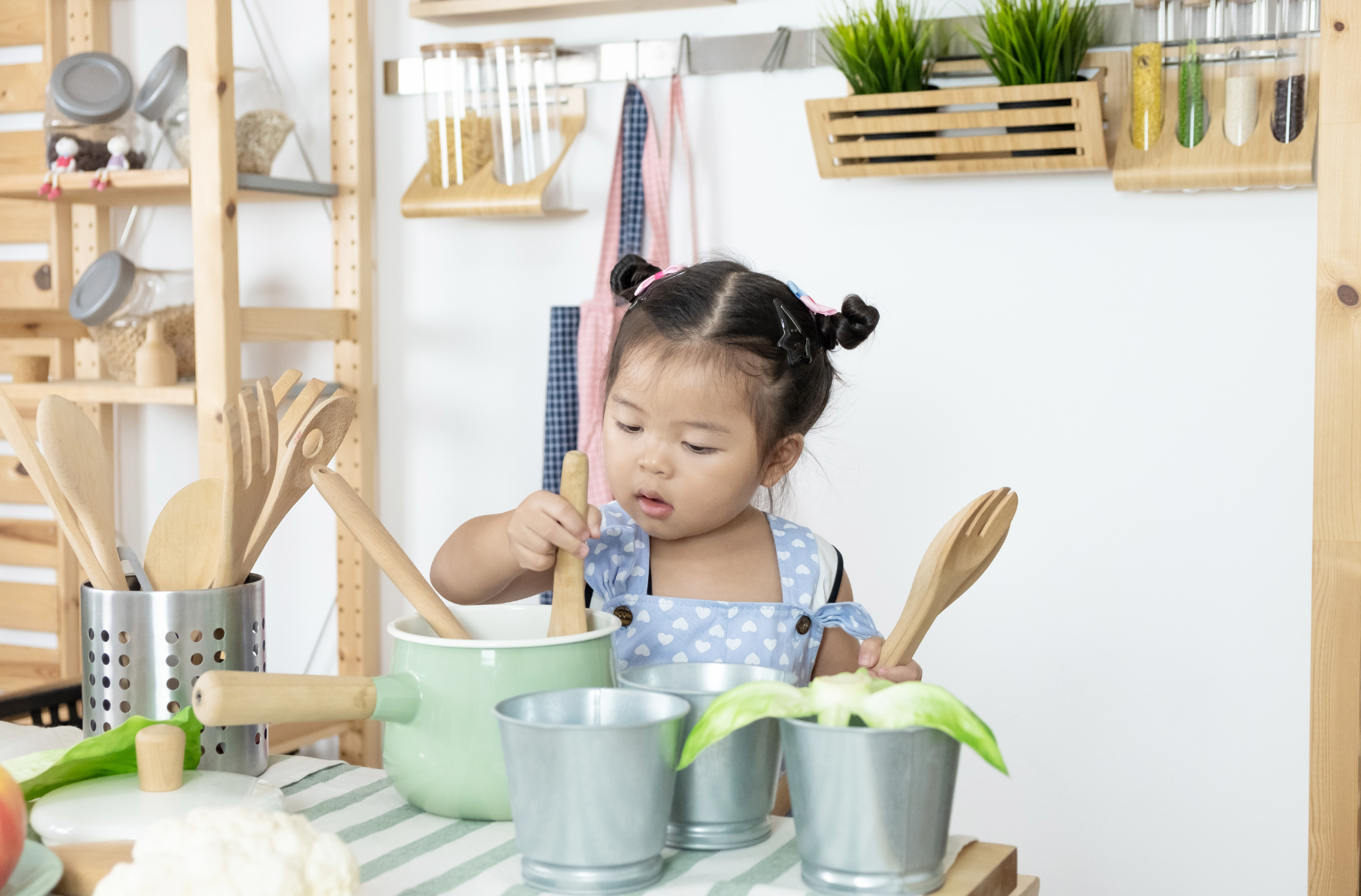
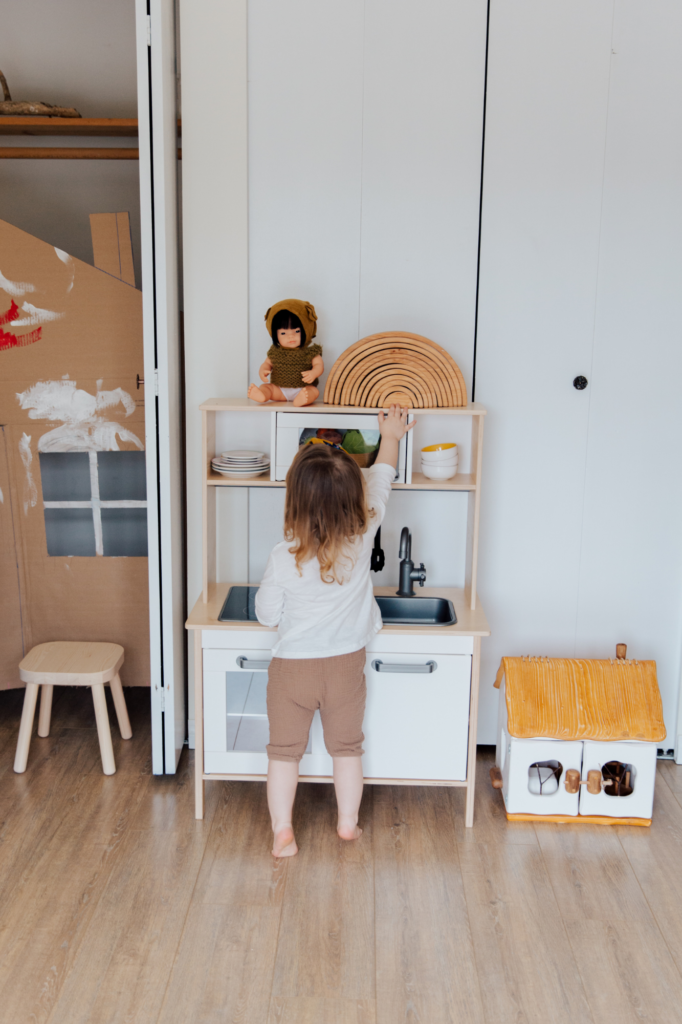
Hands-on activities are essential in a Montessori playroom. Items like wooden puzzles, open-ended toys, or even kitchen tools for pretend play allow your child to learn by doing. This approach is based on the Montessori theory that children learn best when they can interact with their environment. The key is giving them the tools to explore, build, and learn through touch and experience, which helps to cultivate a love for learning and encourages their natural development.
What are the Benefits of Montessori Play?

The Montessori method is a child-centred approach to learning, focused on fostering independence, self-motivation, and a love for learning. It encourages hands-on activities and allows children to explore at their own pace.

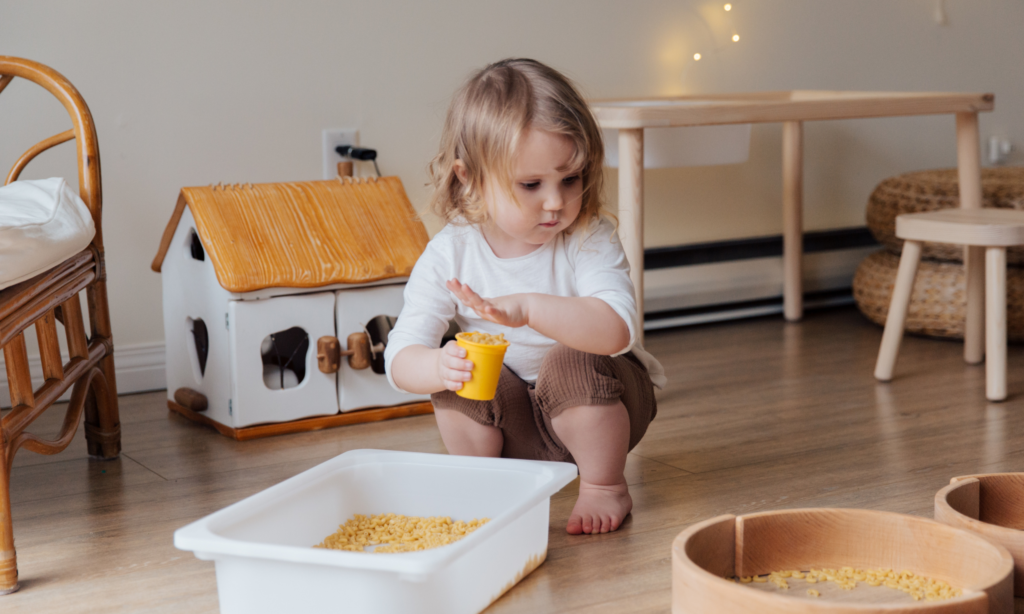
Sensory Bin

Fostering Independence Through Montessori Play

This kind of play encourages children to do things on their own, which builds their self-confidence and independence. Simple tasks like tidying up toys or setting the table help your child feel capable and in control of their environment. By giving them opportunities to make choices and manage small tasks, you are helping them develop a sense of responsibility and autonomy.

How Montessori Play Supports Child’s Development

The Montessori approach nurtures every area of your child’s development – from fine and gross motor skills, like drawing, building with blocks, or running, to cognitive development, such as problem-solving and critical thinking. The focus on hands-on learning allows children to engage with their environment, supporting their social development and helping them gain a deeper understanding of the world around them.

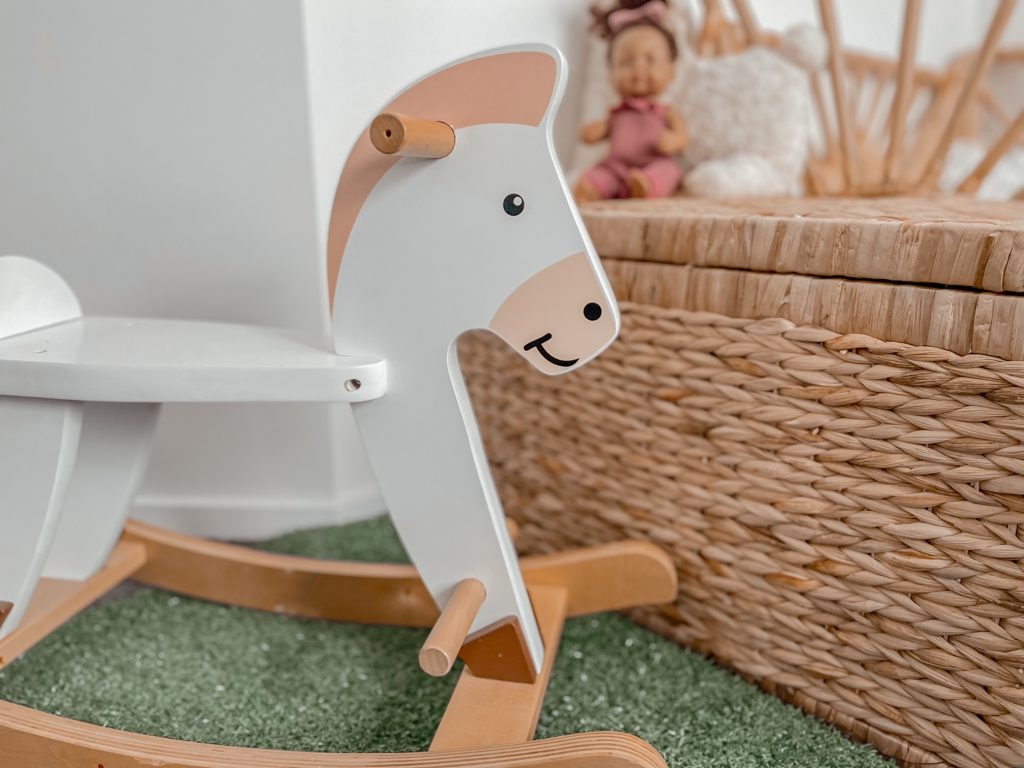
Wooden Toys for Toddlers

Encouraging a Lifelong Love for Learning

Montessori play fosters curiosity, creativity, and a love of learning. When children are allowed to explore and learn in a way that feels natural and self-directed, they develop a passion for learning that can last a lifetime. This love of learning encourages children to keep exploring, asking questions, and expanding their knowledge throughout their lives.

How to Implement Montessori Principles at Home?

Creating a Montessori-Inspired Home Environment

Play room ideas

You don’t need a fancy playroom – just a few simple changes can make your home more Montessori-friendly. Offer open shelving for toys, keep distractions to a minimum, and make sure your child can reach everything they need. When children can choose what they want to play with, they feel more empowered and engaged in their learning. Create a space that allows your child to make their own decisions and take ownership of their environment.

Practical Life Skills and Their Importance

Montessori Learning

The Montessori philosophy emphasises teaching practical life skills, like dressing themselves, washing dishes, or sweeping the floor. These tasks help children develop responsibility, coordination, and independence. As children are like sponges, they soak up everything around them, so encouraging them to participate in daily chores allows them to build confidence and a sense of accomplishment.

Supporting Your Child’s Learning at Their Own Pace

Sensory Play

In a Montessori home, it’s important to let your child explore and learn at their own pace. Allow them to follow their interests and provide activities that match their developmental stage. This approach encourages your child to make their own decisions, fostering a love for learning while supporting their natural curiosity. By embracing Montessori at home, you allow your child the freedom to grow and develop in a way that feels right for them.


What Our Clients Say